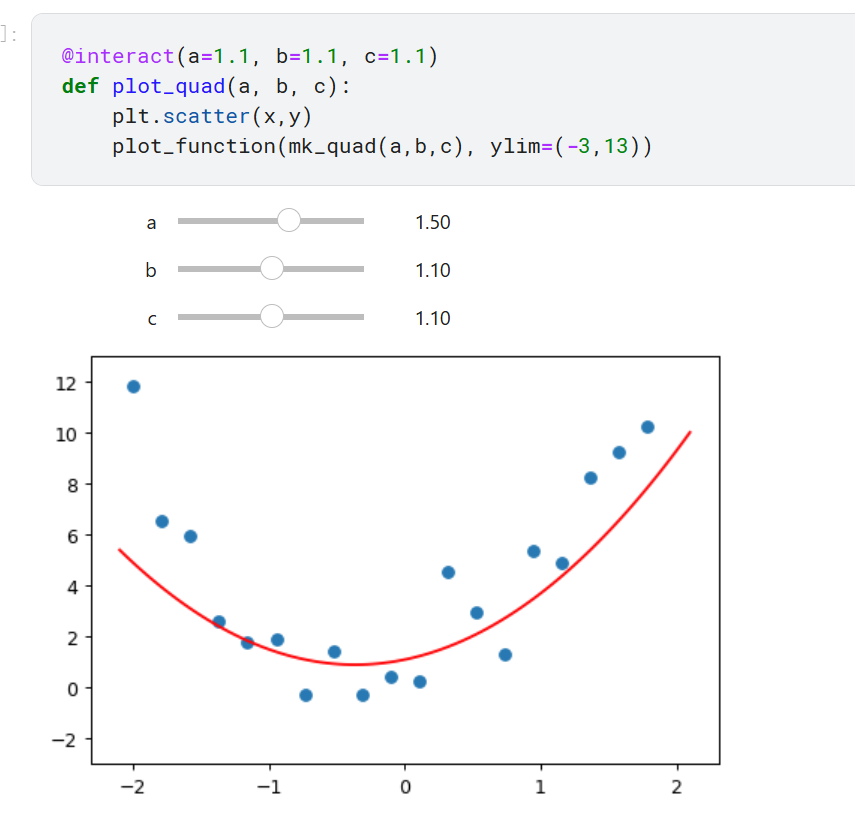
How Neural Networks Really Work: Study Notes
Study notes from Jeremy Howard's Kaggle notebook on how neural networks work, using a quadratic function, loss, gradients, learning rate, ReLU, and simple function composition to build intuition.
Page 10. Posts are ordered by date, with each page loading a bounded set of covers.
Study notes from Jeremy Howard's Kaggle notebook on how neural networks work, using a quadratic function, loss, gradients, learning rate, ReLU, and simple function composition to build intuition.

A short introduction to graph databases, graph intelligence, GNNs, graph analytics, and common application scenarios such as fraud detection, knowledge graphs, equity analysis, and user profiling.

The third article in the Zola tutorial series, introducing shortcodes, how to create shortcode templates, how to pass parameters and body content, and common shortcode context variables.

The fourth article in the Zola tutorial series, covering heading IDs, anchor links, internal links, table of contents generation, and taxonomies.
An introductory Zola tutorial: what Zola is, how to install it, initialize a site, create templates, add sections and pages, and run a small static blog locally.

A Zola content tutorial covering sections, pages, colocated resources, section front matter, sorting, pagination, path generation, and page metadata.

A practical note on improving WSL2 file I/O performance by moving development files onto an ext4 VHDX disk instead of working directly under mounted Windows drives.

A practical note from setting up Kubernetes on Windows 11 with Docker Desktop and WSL2, including image preparation, version matching, Kubernetes Dashboard, service account setup, and token login.

A small Go example for extracting the dominant color from an image, using the dominantcolor package and discussing when a single color is or is not enough.