Graph Databases And Their Applications
Graph Databases And Their Applications
In AI infrastructure, or more specifically graph-intelligence infrastructure, graph databases are a relatively mature field. Many products already exist. Older and well-known products include Neo4j and NebulaGraph. Large Chinese technology companies also have their own graph-database products, such as Alibaba’s TuGraph. There are also newer graph databases designed with AI scenarios in mind, such as Fabarta’s ArcGraph.
The chart below shows rankings of mainstream graph databases:
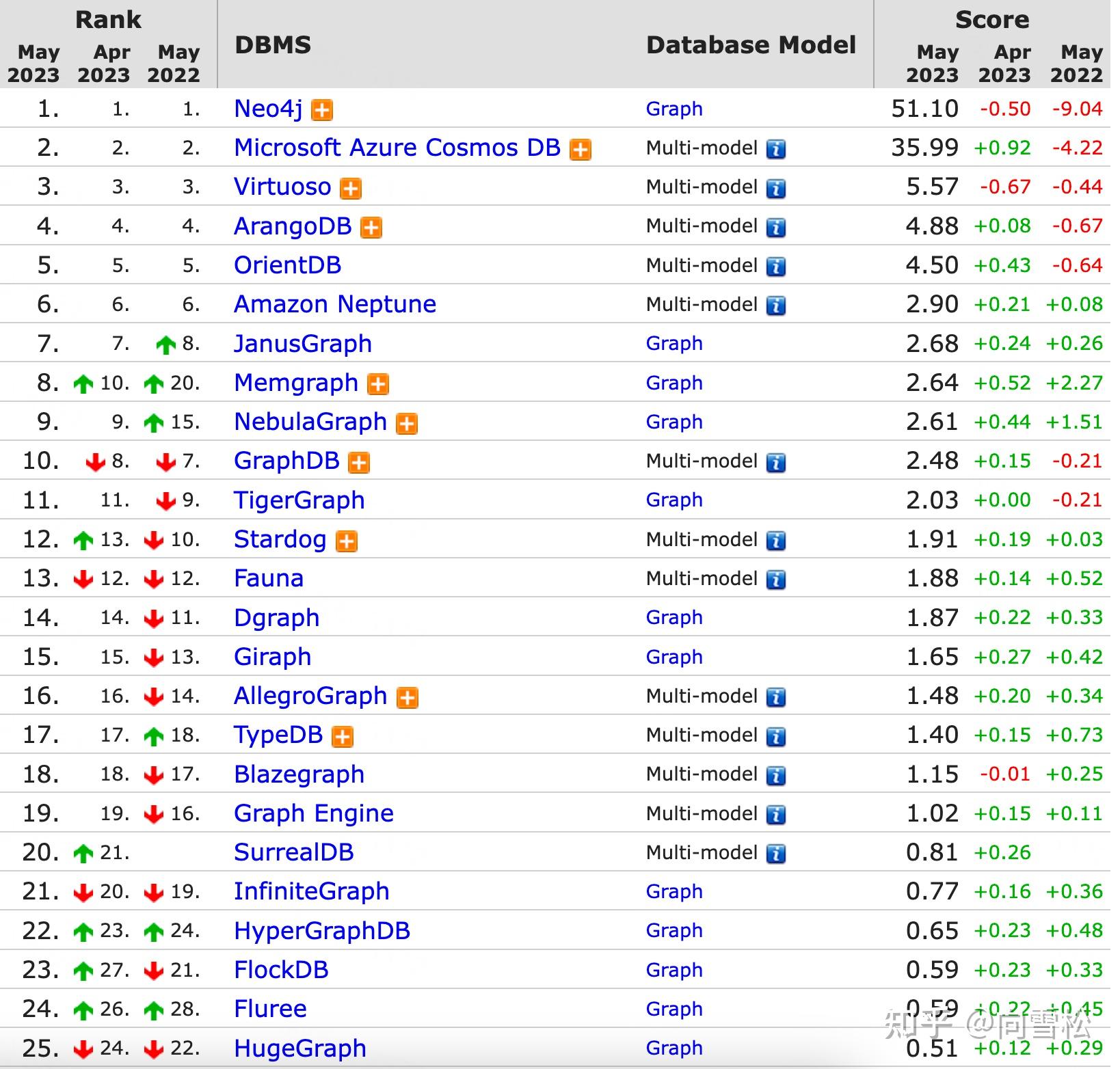
Mainstream graph database ranking
The trend chart is also worth looking at:
Mainstream graph database trends
There are many graph-database products, and no small group dominates the field in the same way traditional relational databases have historically been dominated by a few names. The field is still relatively young. Some products have a long history, but because graph computing and graph analytics have developed rapidly in recent years, older products are not always more flexible or better suited to newer AI-related scenarios.
Fabarta’s ArcGraph, mentioned above, is interesting in this respect. As a new design, ArcGraph is only one part of Fabarta’s broader graph-intelligence plan. Because it is designed for graph intelligence from the beginning, it can fit more naturally into other parts of a graph-intelligence stack.
What are those other parts?
Graph computing and graph learning are both large topics. Traditional AI is also combining quickly with graphs, creating many application scenarios. For example, graph neural networks, or GNNs, combine graphs with neural networks. GNNs are a relatively new but important technology in machine learning, and many large Internet companies pay close attention to GNN research and usage.
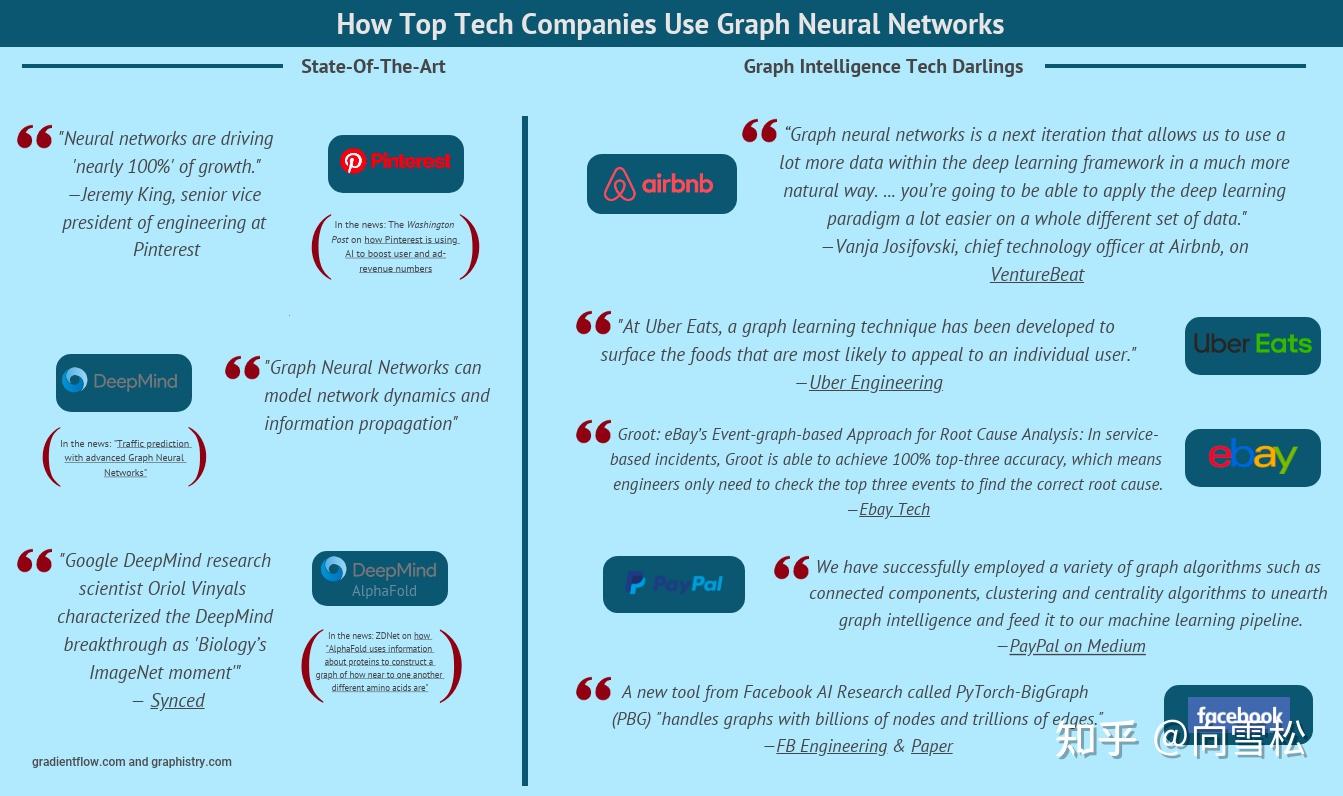
GNN applications in large companies
Graph computing and graph analytics are also useful because graph structures can describe complex relationships naturally. Combined with mature graph algorithms, they can help solve problems that are difficult to handle with simple tabular models.
Common scenarios include:
- Case analysis through social relationships.
- Identifying hidden corporate groups through equity penetration.
- Real-time graph computing for anti-fraud analysis.
- Knowledge-graph applications.
- Precise user profiling and advertising delivery.
The core value of graph technology is not only storage. It is the ability to represent relationships directly and then compute on those relationships. For domains where relationships are as important as entities, graph databases and graph computing become a natural infrastructure layer.
Follow ZiCode on WeChat
If this post was useful, you can follow later updates on WeChat as well.

X / Twitter
Follow @ax2_zicode
Faster technical notes, short thoughts, and new-post alerts are posted on X.