
Quant Trading for Programmers 42: Persist Daily Run Artifacts
Article 42 adds DailyRunArtifact, writing the daily-run plan's summary, request, failed checks, and actions into JSON as stable evidence for debugging and archival.
Page 5. Posts are ordered by date, with each page loading a bounded set of covers.
Article 42 adds DailyRunArtifact, writing the daily-run plan's summary, request, failed checks, and actions into JSON as stable evidence for debugging and archival.

Article 41 adds DailyRunSummary outside DailyRunPlan, compressing daily-run status, symbol count, failed checks, and execution judgment into a log-friendly and CLI-friendly summary line.

Article 40 composes daily requests, operations checklists, run results, and failure actions into a daily run plan, then reviews the progress across articles 36-40.

A practical test of Gemma 4 12B through Ollama: generating Canvas code, connecting it to OpenClaw, calling QVeris tools, and judging where a 12B local model is useful and where it still needs guardrails.

Article 39 adds a failure-action policy that maps failed checks such as run_window, data_gaps, and run_health into concrete next-step suggestions.
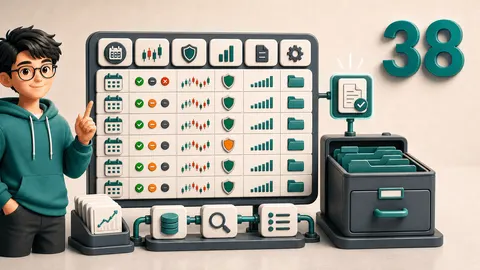
Article 38 reads the daily report archive directory and generates index entries with trade date, status, and path, making historical reports easier to query and display.

Article 37 converts the operations checklist into a daily run result, distinguishes ready, dry-run-ready, and blocked, and keeps failed check names for later action mapping.

Article 36 adds a daily run request object, collecting trade date, generation time, required symbol list, and dry-run flag into one boundary before building a real runtime entry point.

Article 35 summarizes the run window, history summary, data gaps, and health report into an operations checklist, then reviews the progress made in articles 31-35.
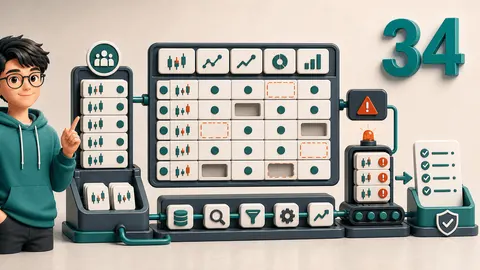
Article 34 compares required symbols with a price snapshot and generates blocker-level data-gap plans so strategies do not silently run with missing prices.
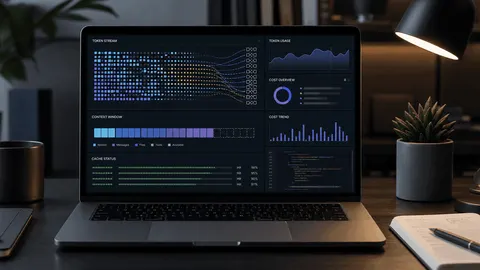
A token and cost breakdown from one real long Codex session: why context is expensive, which conversations cost the most, how prompt caching helps, and practical ways to split sessions, compress logs, use files, and preserve stable rules.
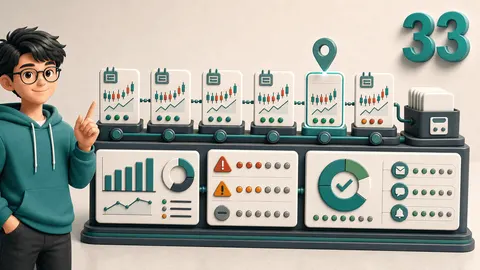
Article 33 reads daily archived reports and calculates report count, latest status, blocker count, and notification success rate, moving paper trading from single-day output to a history view.

Article 32 writes alert messages, run health reports, and review records into stable JSON archives, laying the foundation for paper-trading audits and history statistics.

Article 31 adds a run window to the paper-trading daily flow, preventing jobs from running at the wrong time and returning the next allowed run time.

Article 30 summarizes price snapshots, production checks, and notification receipts into a run health report, classifying each daily paper-trading run as ok, warning, or blocker.

Article 29 adds a target-weight policy that converts candidate stocks into equal-weight targets with controlled gross exposure and normalization, giving rebalance plans more stable input.

Article 28 adds a price-provider protocol and a static price provider, turning the daily paper-trading last_prices dictionary into replaceable input for later real market-data integration.

Article 27 implements a file-based notification channel that writes paper-trading daily reports and receipts into JSONL as a verifiable substitute before real notification platforms are connected.